
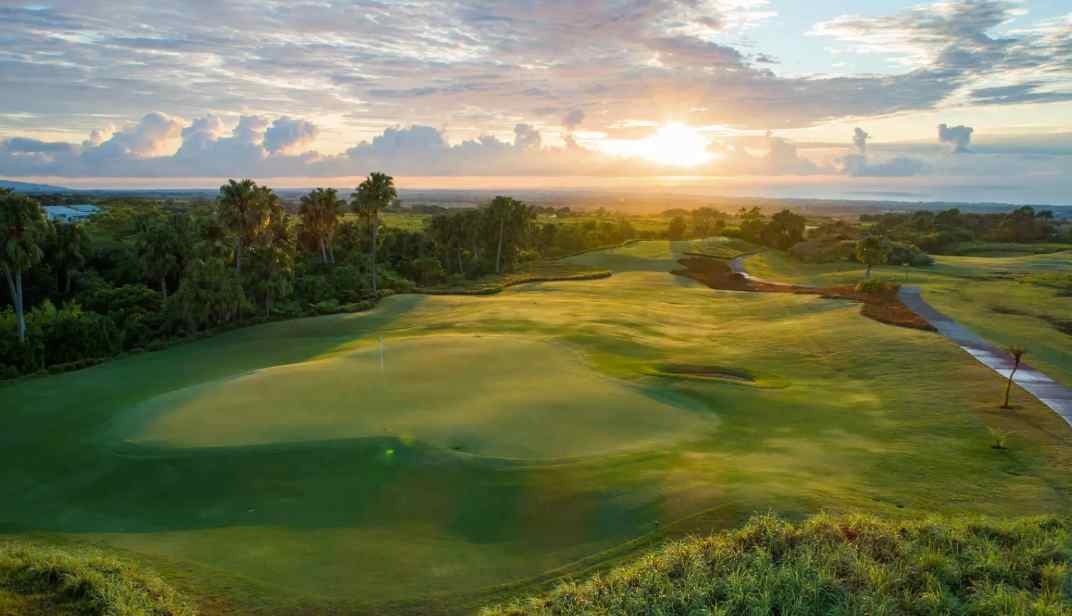
You want security, lifestyle, and solid returns but most luxury property markets feel overheated or overregulated. The question isn’t where to buy anymore. It’s where your capital is treated best.
Buying into a golf estate in Mauritius gives you premium real estate in a politically stable country, a flat 15% tax regime, potential permanent residency (for purchases above USD 375,000 under approved schemes), and access to world-class championship courses—all within a managed, secure environment designed for high-net-worth living.
In my experience advising international buyers, Mauritius consistently outperforms lifestyle-driven markets because it blends residency, tax efficiency, and asset growth in one package.
Why Is a Golf Estate in Mauritius So Attractive to Investors?
You’re not just buying property; you’re buying into a regulated ecosystem.
Mauritius offers:
- No capital gains tax
- No inheritance tax
- Flat 15% income tax
Permanent residency eligibility for qualifying property purchases
The mistake I see most often is buyers focusing only on brochure-level lifestyle without evaluating governance structure. Established golf estates in Mauritius operate under well-regulated schemes like IRS, RES, or PDS—providing legal clarity foreign investors need.
What Makes a Golf Estate Different from Standard Luxury Property?
1. Integrated Lifestyle Infrastructure
Here is what actually works: estates with built-in infrastructure outperform standalone villas.
Most leading golf estates offer:
- 24/7 security and gated access
- Clubhouses, spas, and fitness centers
- Private beach access (in select estates)
- On-site property and rental management
This matters when you’re overseas and want a “lock-and-leave” investment.
2. Rental Demand from Golf Tourism
Mauritius is consistently ranked among Africa’s top golf destinations. Estates like Heritage Golf Club (Bel Ombre) and Anahita Golf Club host international tournaments and attract seasonal golf tourism.
That translates to:
- High short-term rental yields during peak season
- Premium nightly rates for golf-facing villas
- Strong resale demand within the estate
In my experience, golf-facing properties command 10–20% premiums compared to interior plots.
Which Regions Offer the Best Golf Estate Opportunities?
North (Mont Choisy – Grand Baie)
Best for:
- Buyers who want nightlife and international schools
- Proximity to restaurants and marinas
Mont Choisy Golf Estate is the only 18-hole championship course in the north, making it unique.
East (Anahita – Île aux Cerfs)
Best for:
- Privacy and exclusivity
- High-end rental returns
This region attracts serious golf travelers and long-stay European visitors.
South (Heritage Bel Ombre)
Best for:
- Nature-focused buyers
- Lower density and dramatic landscapes
The South offers larger plots and stronger value per square meter.
What Should You Watch Out for Before Buying?
The biggest oversight? Underestimating total ownership costs.
Always calculate:
- HOA/estate fees
- Golf membership requirements
- Rental pool participation rules
- Property management charges
Ask for net yield projections, not gross. A 6% gross yield can quickly become 3.5–4% net after operational costs.
Also, confirm the developer’s track record. Established estates with phased development tend to protect long-term value better than one-off projects.
Final Words
If you’re a decision-maker looking for:
- Asset diversification outside Europe or South Africa
- Tax-efficient wealth structuring
- A secure second home with rental potential
- Residency flexibility for your family
Then yes, a golf estate in Mauritius is one of the most strategic lifestyle investments available today.